
What Food And Drink Brands Can and Can’t Do in 2026.
HFSS and LHF Advertising Rules Explained.
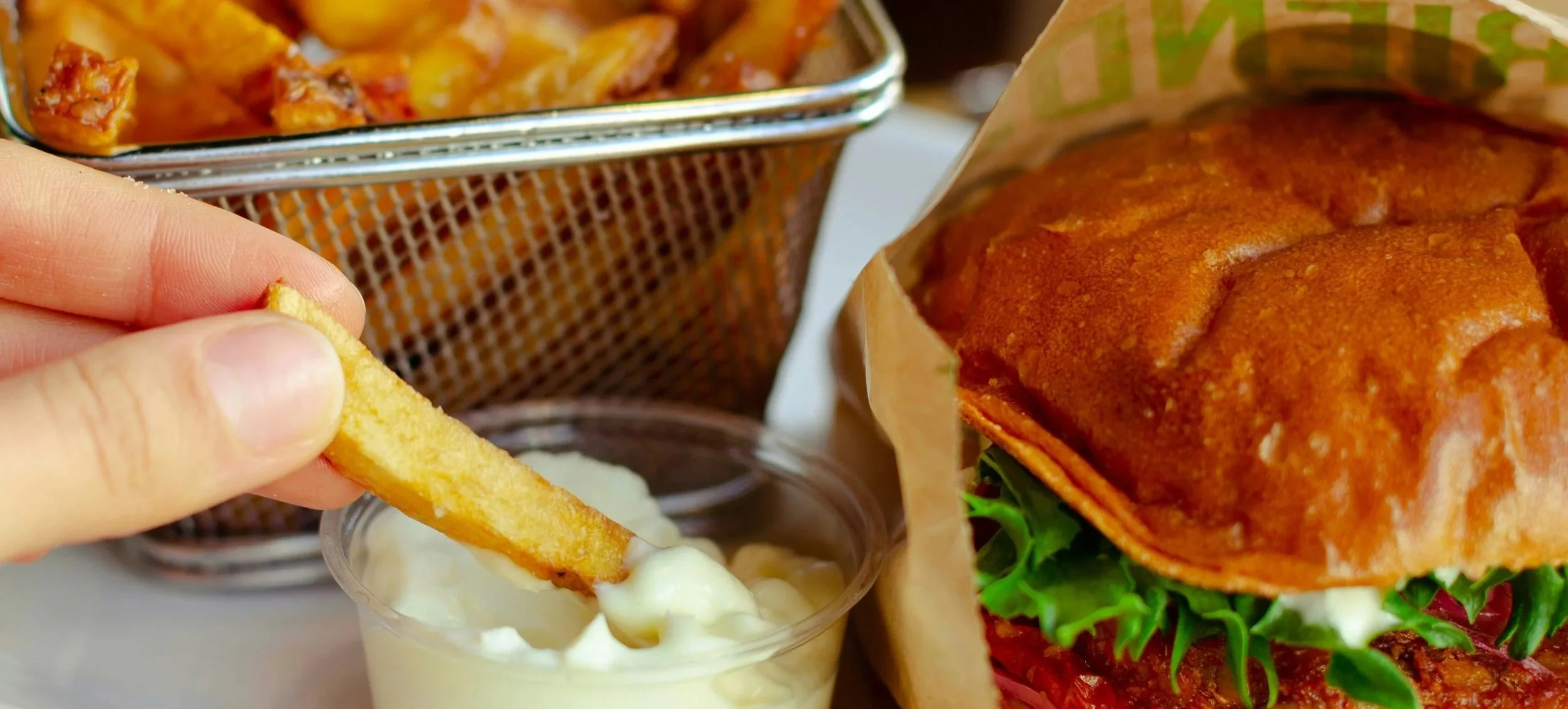
ON 5th January 2026, new UK advertising rules for food and drink brands came into force. These are known as the Less Healthy Foods (LHF) regulations — and they massively affect what some brands can advertise, and where.
If you are a food or drink brand and use paid advertising, this may affect you.
Here we explain:
Existing regulations - What HFSS and LHF actually mean
Who the rules apply to
What is now banned
What you can still do
A simple step-by-step plan to advertise in 2026
There have been HFSS (High Fat, Salt or Sugar) advertising restrictions for some time. This affects scheduling and messaging on certain channels for HFSS brands. Now the UK government have introduced new rules to cover LHF (Less Healthy Food) brands. The regulations are designed to keep these products away from children under 16.
What Is LHF — and Why It’s a Bigger Deal?
LHF stands for Less Healthy Foods.
Unlike HFSS, which is based on nutritional scoring, LHF is based on product categories.
The UK government has defined 13 food and drink categories as LHF (such as confectionery, crisps and sugary drinks). If your product sits in one of these categories, it ‘s classed as an identifiable LHF product, and the ruling significantly restricts how you advertise.
The key change
From 5th January 2026, identifiable LHF products cannot appear in paid advertising at all.
The rules apply to all paid advertising platforms at all times, regardless of audience targeting. And it affects medium sized companies with 250+ employees. You can’t show the following in an ad:
Product packaging
Product imagery
Product names
Distinctive audio cues (such as jingles linked to the product)
It’s not just ads either. The rules apply to all forms of paid reach, including:
Paid digital ads
Boosted social posts
Influencer and paid partnerships
Paid TikTok Shop promotions
Programmatic advertising
But there are options for LHF classed brands. Here is what you CAN do as an advertiser of an LHF brand.
Run brand-led advertising (values, purpose, story)
Promote non-LHF or lower sugar/salt alternatives in your product range
Reduce reliance on paid social and use TV as a compliance safety net
A Step-by-Step Guide on How LHF Brands Can Promote Your Business in 2026
Step 1: Check your HFSS score HERE
Use the Nutrient Profile Model to understand which products are HFSS.
Step 2: Check if your products fall into an LHF category HERE
If they do, product-led paid advertising is no longer allowed.
Step 3: Separate brand from product messaging
Focus on who you are as a brand, not your products. At Studio90 we offer Creative Labs to get to the heart of your brand offering. We spend half a day with you identifying your brand proposition and how this practically translates to advertising campaign messaging.
Step 4: Audit all paid activity
Review influencer deals, social , boosted posts and programmatic spend. Assess where you might transfer budget to CTV channels to create a regulated campaign, which can then flex across platforms.
Step 5: Investigate if TV is an option for your business
Find out the options on TV for a brand your size. You might be surprised! You can do this in many ways. Book a call with Lydia at Studio90 to discuss, It’s a free 30 min call. Or join the TV Curious Club for free and easy access to TV info and advice. Studio90’s TV Mentorship can also give you access to a TV specialist for help with Clearcast applications, without the need for big agency fees.
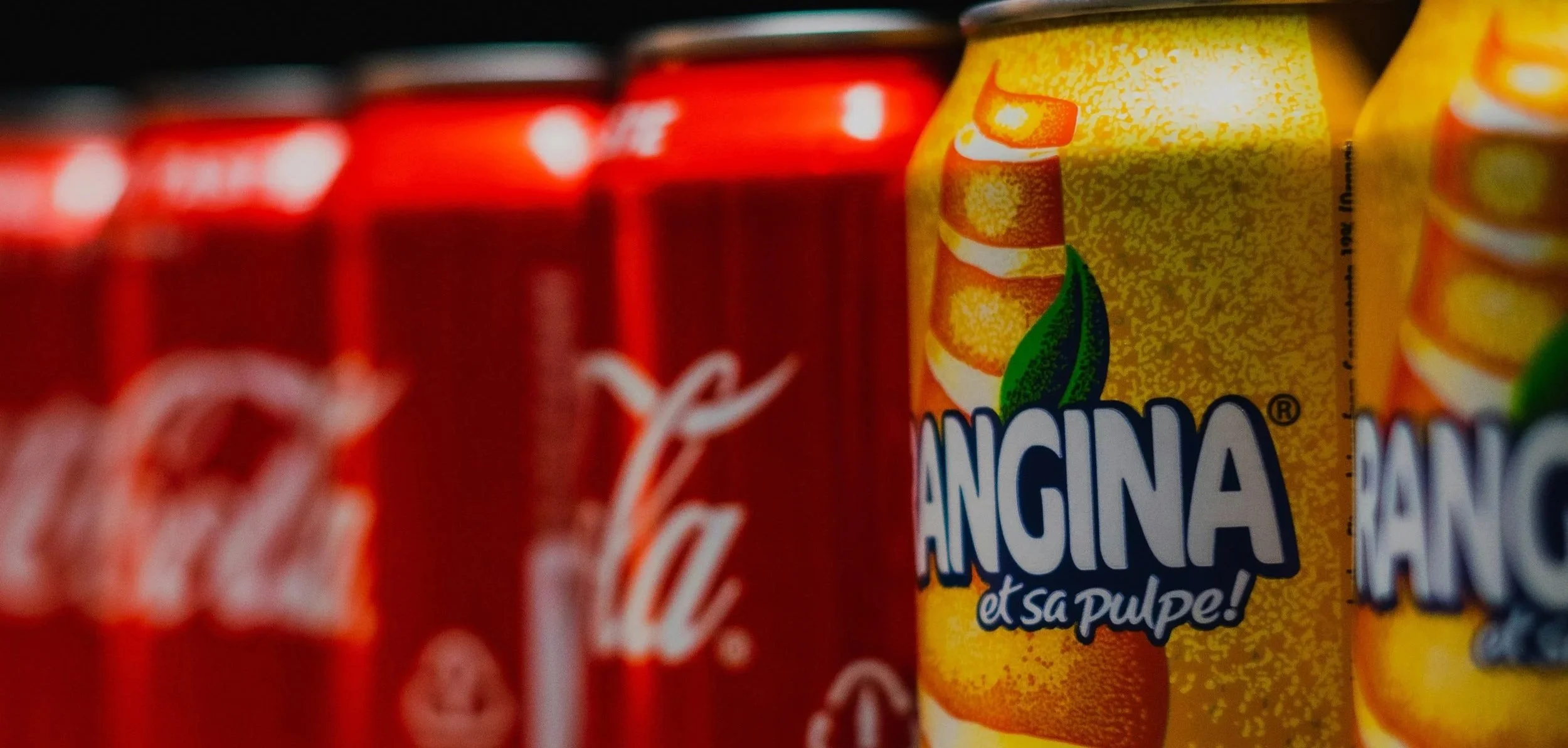
Social platforms are largely unregulated, and brands risk having content taken down, or they may now fear advertising entirely. But TV is a regulated channel and you can get your ad pre-aproved to ensure safety and compliance.
TV ads are reviewed and approved by Clearcast before they go to air in the UK. Clearcast reviews scripts, visuals and messaging for TV campaigns on compliant channels. They flag compliance risks and suggest safer alternatives. So your ad campaigns are safety checked and compliant.
And the best bit? Clearcast approval is free*
With a TV campaign you can be confident you meet UK advertising rules, and can adapt content across all platforms. When advertising on TV, brands see a halo effect on other channels, so you could see gains on Meta or other platforms of up to 50%.
The new LHF rules are not the end of food and drink advertising — but they do require a more strategic approach.
If you need help developing compliant food and drink advertising that still drives growth, get in touch.
*Clearcast approval is paid for by broadcasters; agencies may charge to process.